When Marrakech feels hot, dusty and loud, the Ourika valley is the closest escape. Within an hour or so, the road leaves the plain and follows a river into the High Atlas, between green terraces, walnut trees and earth-built villages clinging to the slopes. It is the easiest mountain day trip from the city, ideal for a first taste of the Atlas. This guide explains what you will see, how the day works and how to choose the right season.
Where is the Ourika valley?
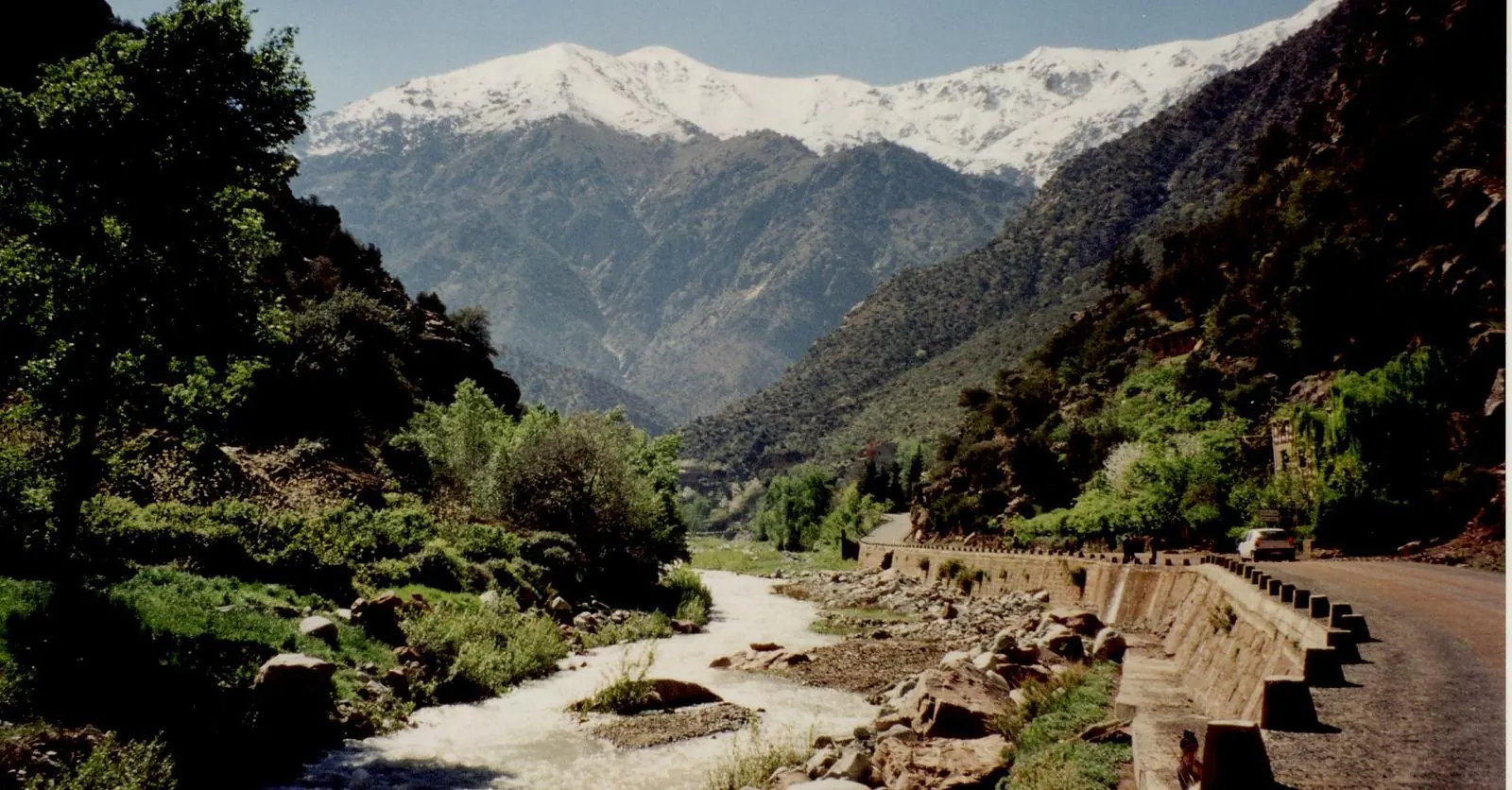
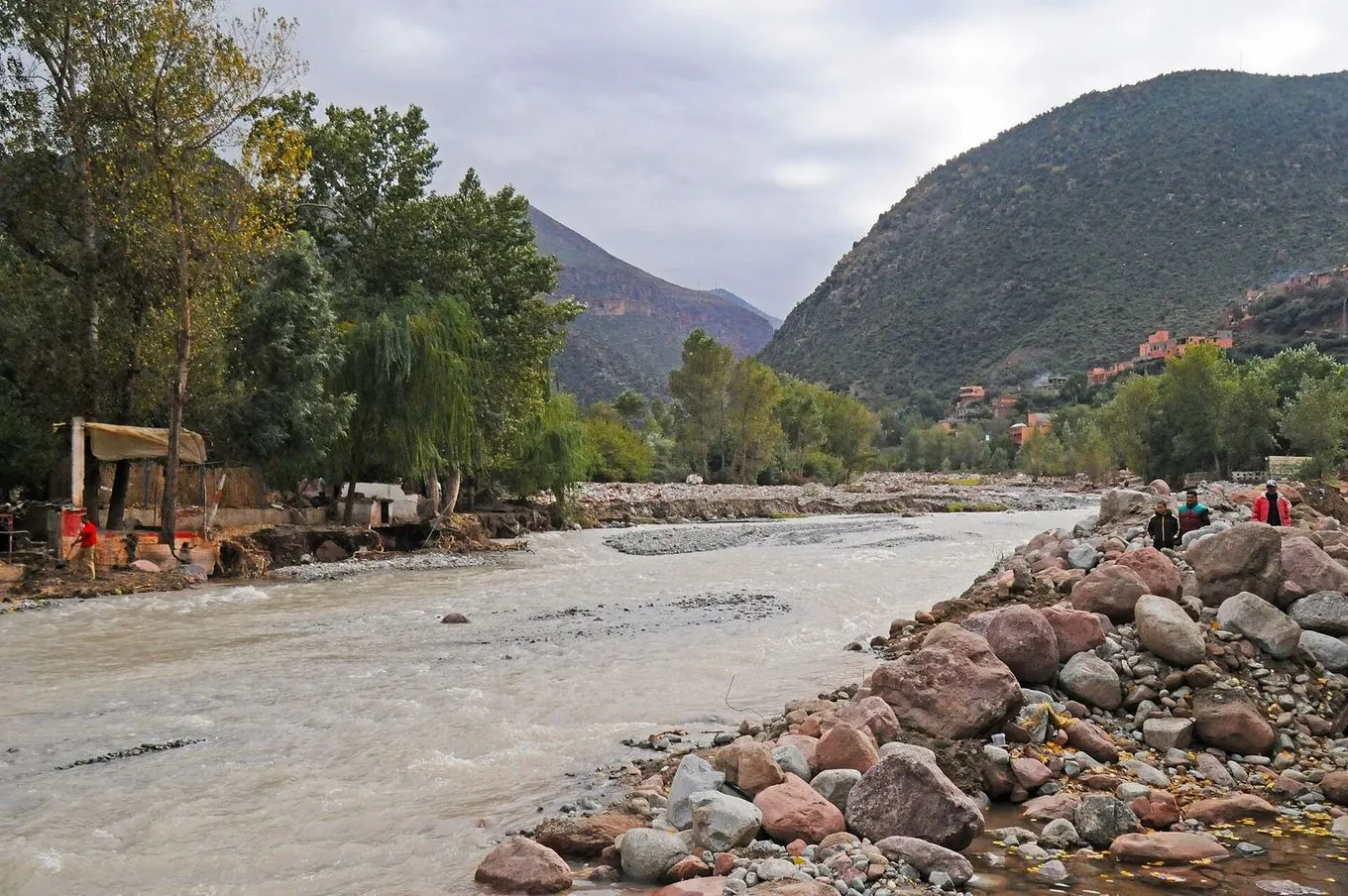
The valley begins about 40 km south of Marrakech, where the Ourika river leaves the mountains. The road then climbs gently upstream for many kilometres, through a string of villages, until it ends at Setti Fatma, the best-known village of the valley and the starting point of the waterfall trail. Behind it rise the high peaks of the Atlas, snow-capped in winter and spring.
The contrast with Marrakech is immediate. The air is fresher, the river is never far away, and everything is green: orchards, small fields of vegetables and cereals, walnut and poplar trees along the water. In summer, the valley is often noticeably cooler than the city, which explains its popularity with Marrakchi families at weekends.
What to see and do
The road along the river
Much of the pleasure comes from the drive itself. As you go up the valley, you pass roadside stalls selling pottery and fruit, small cooperatives offering argan oil and local products, and cafés and restaurants with tables right by the water. Some of them have little bridges, sometimes simple wooden or rope footbridges, crossing the river to their terraces.
Setti Fatma and the seven waterfalls
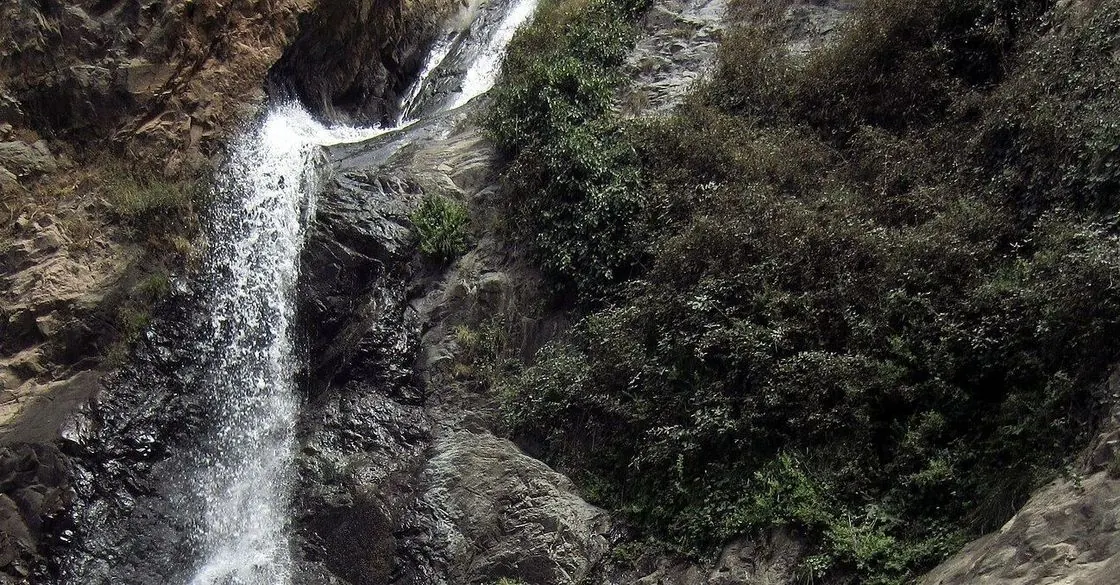
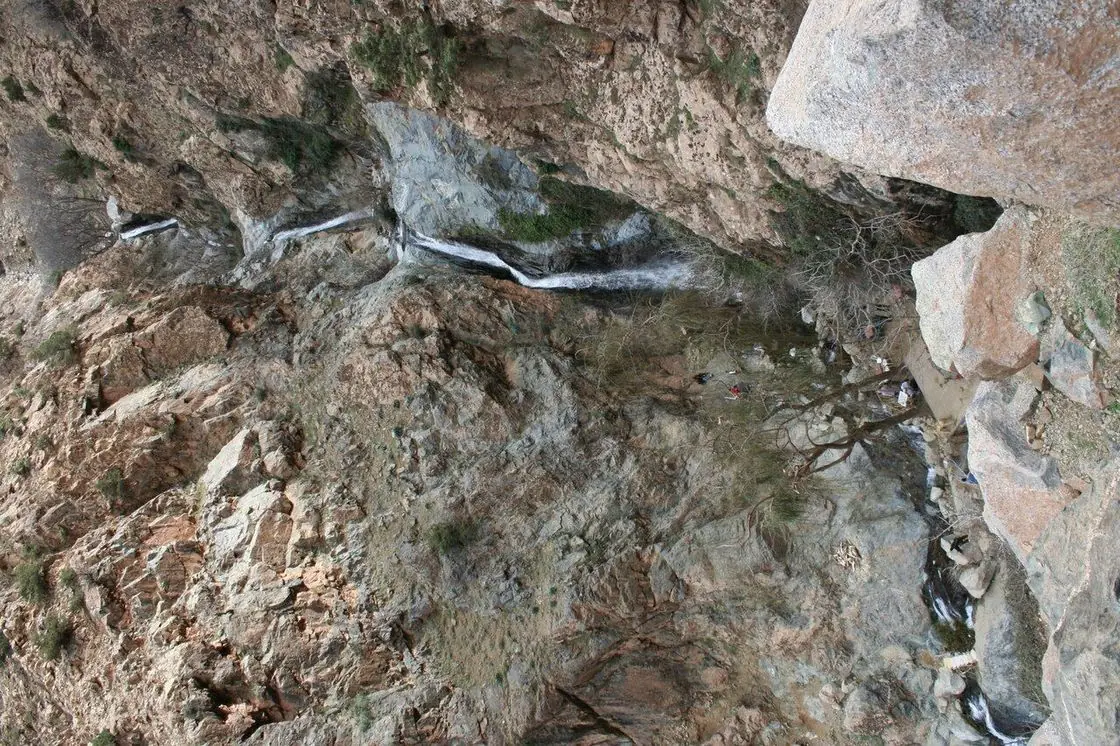
At the end of the road, Setti Fatma is the base for the valley's most famous walk: a trail up a side gorge to a series of seven waterfalls. The first waterfall is reached in about twenty minutes from the village, on a path with rocky steps, and it is where most visitors stop. Going further means scrambling over boulders and crossing the stream in places, and it is best done with a local guide. Our Setti Fatma waterfalls hike guide describes the trail in detail.
Berber villages and a traditional house
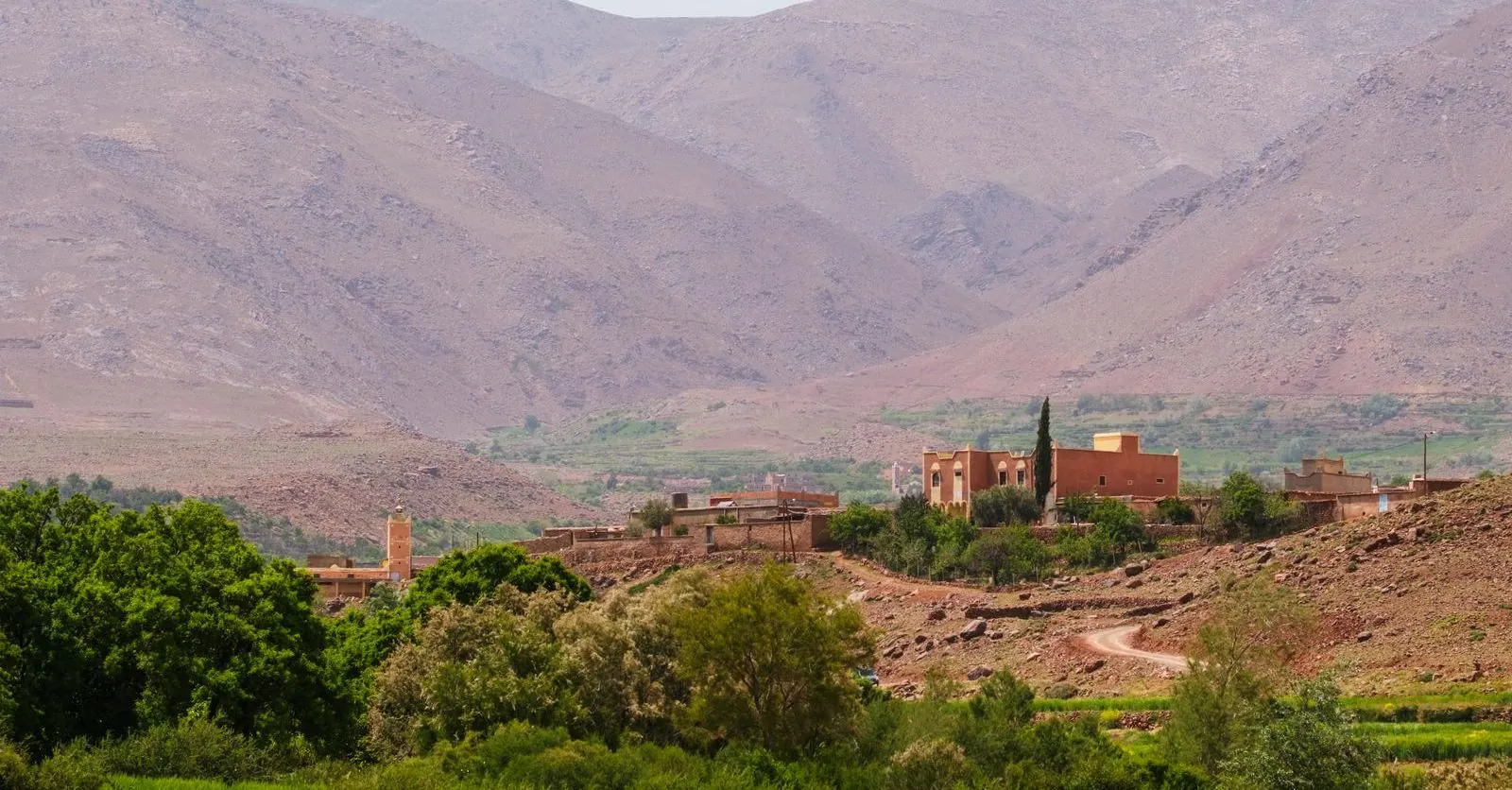
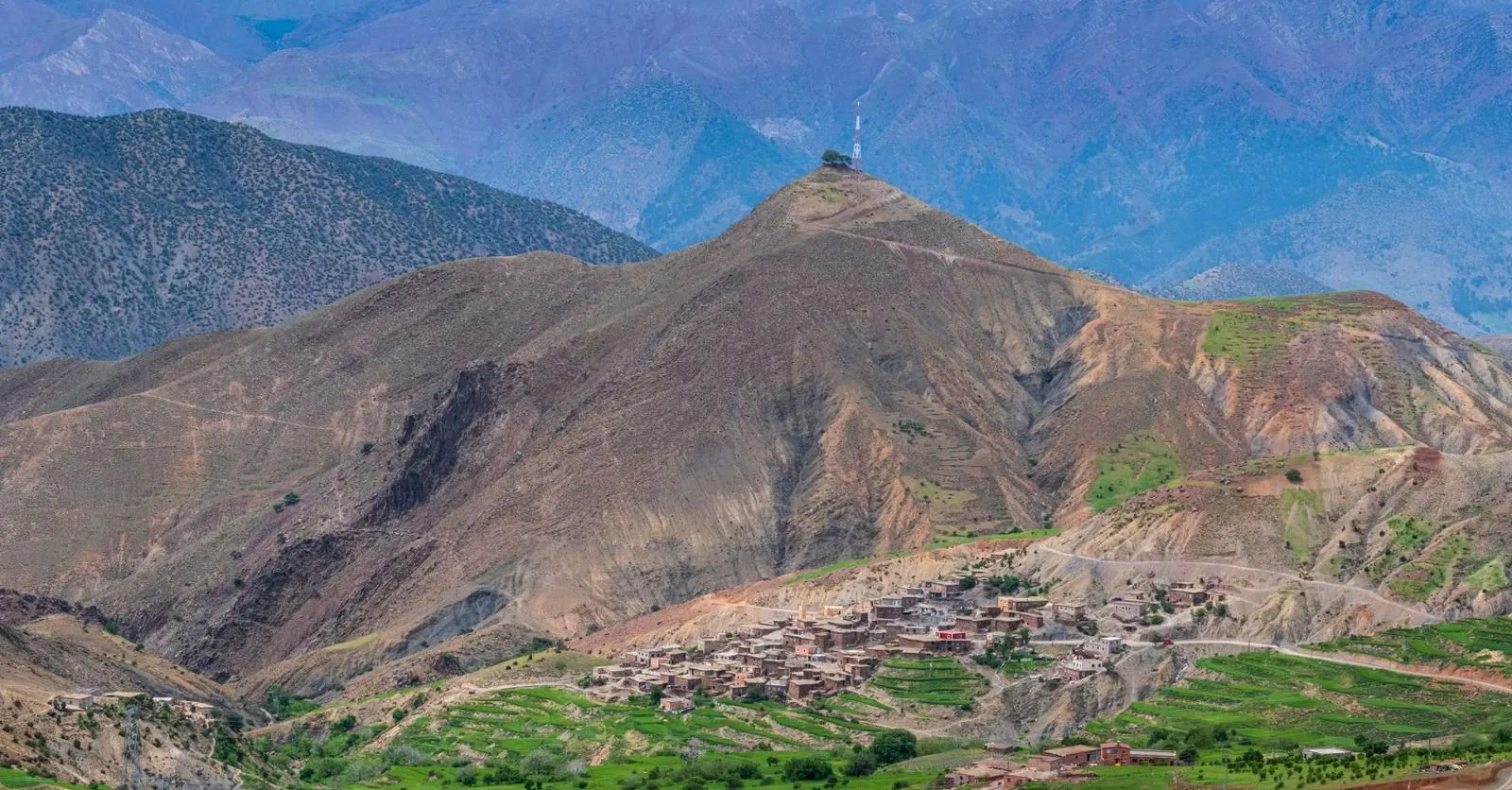
The villages of the Ourika are Amazigh (Berber) communities, with houses of earth and stone built in tiers on the slopes to keep the flat land for crops. On our day trip, you can visit a typical Berber house, an opportunity to see how a mountain home is organised and to share a glass of mint tea. To understand village life better before you go, read our guide to the Berber villages of the Atlas.
The Monday souk
If you travel on a Monday, you can visit the weekly souk at Tnine Ourika, near the entrance to the valley. Tnine means "Monday" in Moroccan Arabic, and the market is a genuine local event rather than a show for tourists: vegetables and fruit, spices, tools, household goods and livestock. Arrive in the morning for the liveliest atmosphere.
Request your booking — we confirm availability by email/WhatsApp.
How the day trip works
Morohaven's Ourika valley day trip picks you up at your hotel or riad in Marrakech at 09:00 and lasts about eight hours. Your driver-guide drives you up the valley in an air-conditioned 4x4 or minibus, with time to walk to the waterfalls, visit a Berber house and stop for lunch by the river. Lunch and a local guide for the waterfall trail are not included, so you can choose a riverside restaurant and decide on the spot how far you want to walk.
The private alternative: the Three Valleys
If you prefer a private vehicle for your party and want to see more of the Atlas foothills, our Three Valleys private day trip also leaves at 09:00 and lasts about eight hours. It starts at Lake Lalla Takerkoust, the reservoir that supplies Marrakech with water, offers an optional visit to the mausoleum of Moulay Brahim, continues to the Berber village of Asni through Toubkal National Park, home to Jbel Toubkal, the highest summit in North Africa at 4,167 metres, and ends in the Ourika valley, with walks along the river and the trail to the waterfalls.
When to go
- Spring (March to May): the valley is at its greenest, the river is full of snowmelt and the peaks are still white. A beautiful season, but also a popular one.
- Summer (June to August): a welcome escape from the heat of Marrakech. Weekends are busy, so a weekday is much more pleasant.
- Autumn (September to November): a lovely season for peace and colour, with golden walnut trees and harvest time. Read why autumn is the best season in the Ourika valley.
- Winter (December to February): crisp and quiet, with snow on the high peaks and cold mornings. Dress warmly.
Practical tips
- Shoes: wear trainers or walking shoes with good grip; the waterfall trail is rocky and can be wet.
- Weather and the river: the Ourika rises quickly after heavy rain or storms in the mountains. On stormy days, keep away from the riverbed and follow local advice.
- Cash: bring dirhams for lunch, drinks, a local guide and small purchases.
- Respect: ask before photographing people, especially women and children, and dress modestly in the villages.
- Timing: set off early on weekends to enjoy the valley before the crowds arrive.
If you have another day and enjoy waterfalls, the Ouzoud falls are a longer but spectacular excursion: see our Ouzoud waterfalls day trip guide.
FAQ
How far is the Ourika valley from Marrakech?
The valley begins about 40 km south of Marrakech, and the road continues upstream to Setti Fatma at the end of the valley. It is the closest mountain day trip from the city.
How hard is the walk to the Setti Fatma waterfalls?
The first waterfall is about twenty minutes from the village on a rocky path and is suitable for most people with good shoes. Going beyond it involves scrambling and stream crossings, and a local guide is recommended.
When is the Ourika souk?
The weekly souk of Tnine Ourika takes place on Mondays, near the entrance to the valley. Mornings are the liveliest time.
What is the difference between the Ourika valley trip and the Three Valleys trip?
The Ourika valley trip focuses on one valley, with time for the waterfalls and a Berber house. The Three Valleys trip is private and adds Lake Lalla Takerkoust, an optional stop at Moulay Brahim and the village of Asni through Toubkal National Park before reaching the Ourika valley.
Is the Ourika valley worth visiting in winter?
Yes, if you dress warmly. It is quieter, the snowy peaks are beautiful and the air is clear, though the mornings are cold and the waterfall trail can be slippery.