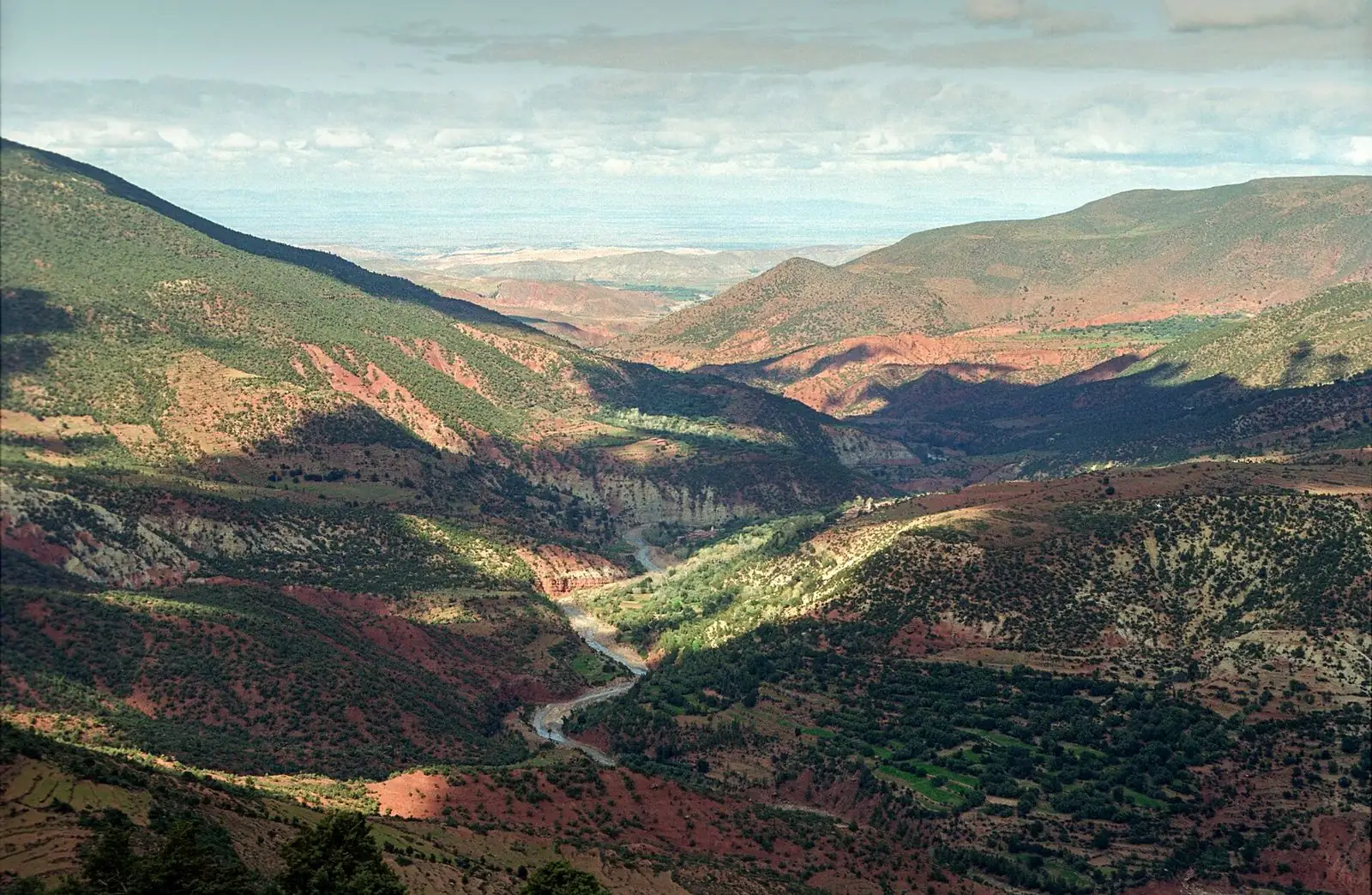
A car gives you real freedom in Morocco: you can stop at a kasbah that catches your eye, take the long way over the Atlas, or reach the coast on your own schedule. Driving here is very doable, but it is different from driving at home. This guide covers the documents you need, the rules that matter most, and practical tips for city streets, motorways and mountain passes.
Documents to bring
Your driving licence
Bring your full, valid national driving licence, and keep it with you whenever you drive. Rental companies also set a minimum driver age and often require you to have held your licence for a minimum period.
The International Driving Permit (IDP)
Whether you need an IDP depends on where your licence was issued, so check your own government's travel advice before you go. Two points are worth knowing:
- UK licence holders: the UK government advises that you need the 1968 version of the IDP together with your UK licence when driving in Morocco. Morocco no longer accepts the 1949 version.
- Everyone else: an IDP is a translation of your licence into several languages, and it is often recommended even where it is not strictly required, because it makes things simpler at a police check or after an accident. Some rental companies also ask for one.
An IDP can only be obtained in the country that issued your licence, so get it before you travel. It is not valid on its own: always carry it with your licence.
In the car
Keep your licence, IDP if you have one, passport and the rental documents in the car at all times. The rental agreement and the vehicle papers are the first things the police ask for.
Rental conditions
Rental conditions vary by car: minimum driver age, licence requirements, mileage, insurance and fuel policy are not the same for a compact SUV and a luxury car. With Morohaven, the conditions of the car you choose are confirmed with you before your booking is confirmed. A car booking is always a request: we check availability, then confirm the booking by email.
Request your booking — we confirm availability by email/WhatsApp. Nothing is paid on the site yet.
The rules of the road
Speed limits
Morocco drives on the right. The general speed limits are 60 km/h in towns, 100 km/h outside built-up areas and 120 km/h on motorways. Lower limits are common, especially when the road passes through villages and at town entrances, so always follow the signs. Speed cameras, both fixed and mobile, are widely used.
Police checks
Police and gendarmerie checkpoints are frequent, particularly at the entrance and exit of towns. They are routine. Slow down, stop if you are signalled to, stay calm and polite, and show your documents when asked. Fines for offences such as speeding are often issued on the spot: ask for a receipt.
Alcohol, phones and seat belts
- Drink-driving is a serious offence. If a test finds any alcohol in your system, you face a fine and possible imprisonment. The simple rule is: do not drink at all if you are driving.
- Using a hand-held phone while driving is forbidden. Set up your navigation before you leave.
- Wear your seat belt, and make sure every passenger does too.
Roundabouts
Roundabouts are everywhere in Moroccan towns, and they are where visitors feel least sure of themselves. Priority rules are not applied consistently: sometimes the cars already on the roundabout go first, sometimes those entering push in, and traffic lights on some large roundabouts change the order again. The safest approach is to slow down, follow any signs or lights, watch what local drivers do, and never assume another car will give way.
Motorways and tolls
Morocco has a good motorway network, run by Autoroutes du Maroc, linking cities such as Casablanca, Rabat, Marrakech, Agadir, Fès and Tangier. Motorways are tolled: you take a ticket or pay at the booths along the way. Carry cash in dirhams for tolls. Regular users fit an electronic badge called Jawaz, but as a visitor you can simply use the cash lanes.
Motorways are the fastest and safest roads, but stay alert: GOV.UK warns about overloaded lorries and trucks overtaking where there is no hard shoulder.
Fuel
Diesel is called gasoil and unleaded petrol sans plomb. Check which one your rental car takes before your first fill-up: many cars in Morocco run on diesel. At most stations an attendant fills the tank for you. On main roads stations are frequent, but in the mountains and the south they can be far apart, so fill up before long stretches and do not let the tank run low.
Parking and parking guardians
In towns you will meet parking guardians: men, often in a reflective vest, who watch over cars parked in a street or a car park. It is customary to give them a small tip when you leave. Some cities also have paid parking with meters or attendants.
Never plan to drive into a medina. In Marrakech, Fès and most old towns, cars cannot enter the narrow lanes, so you park outside the walls and walk. Our guide to getting from Marrakech airport to the medina explains how that last stretch works.
Mountain roads
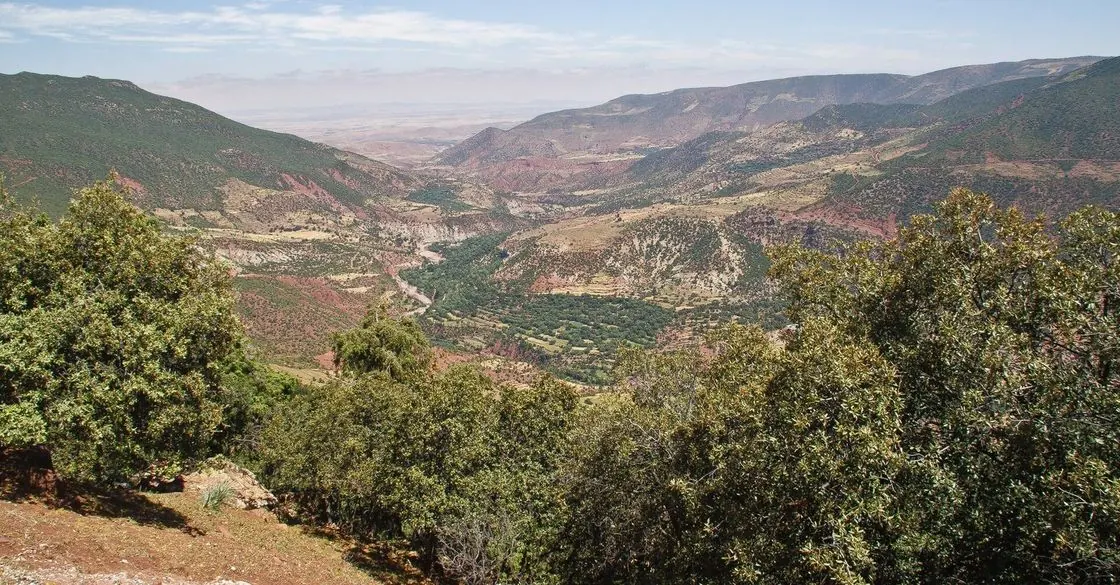
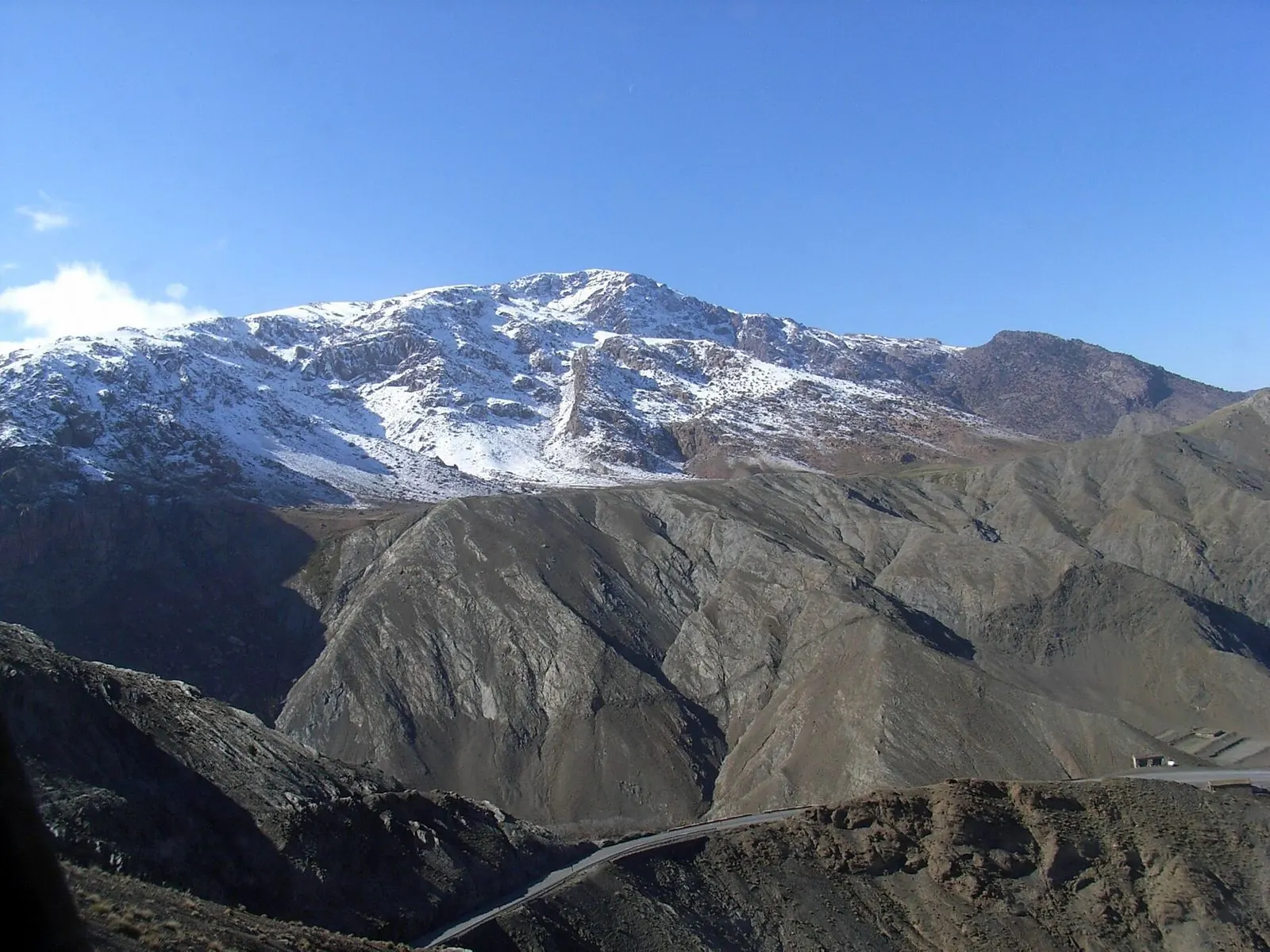
The road from Marrakech to Ouarzazate crosses the High Atlas by the Tizi n'Tichka pass, at 2,260 m. It is a good, busy road with many bends, heavy trucks and slow climbs. A few tips:
- Allow more time than your navigation app says. Bends, trucks and photo stops add up.
- Overtake only with a clear view. Blind bends are common.
- Check the weather in winter. Snow and poor weather can make mountain roads hazardous, and passes are sometimes closed for a while.
- Avoid driving at night, especially on secondary roads: pedestrians, animals, carts and poorly lit vehicles are hard to see.
If your road trip ends in the desert, read our list of what to pack for the Moroccan desert. If you are heading north, our guide to Chefchaouen beyond the blue streets helps you plan the stop.
FAQ
Do I need an International Driving Permit to drive in Morocco?
It depends on your licence. UK licence holders need the 1968 version of the IDP with their licence, according to the UK government. For other licences, check your own government's advice; an IDP is often recommended and some rental companies ask for one.
What are the speed limits in Morocco?
Generally 60 km/h in towns, 100 km/h outside built-up areas and 120 km/h on motorways, with lower limits signposted in many places. Always follow the signs.
Are Moroccan motorways tolled?
Yes. Motorways run by Autoroutes du Maroc are tolled, and paying in cash at the booths is the simplest option for visitors.
Can I drive into the Marrakech medina?
No. Cars cannot enter most lanes of the medina. Park outside the walls and continue on foot.
Are rental conditions the same for every car?
No. Minimum age, licence requirements, mileage, insurance and fuel policy vary by car. With Morohaven, the conditions of your car are confirmed before your booking is confirmed.