A night in the Moroccan desert is often the highlight of a trip, and it is also the part that people pack for least well. This checklist covers what to bring for the three desert experiences most travellers book from Marrakech: the big dunes of Erg Chebbi at Merzouga, the Draa valley and Zagora, and the stony Agafay desert just outside the city.
First, know which desert you are going to
"The desert" in Morocco covers very different places, and what you pack depends on which one you choose.
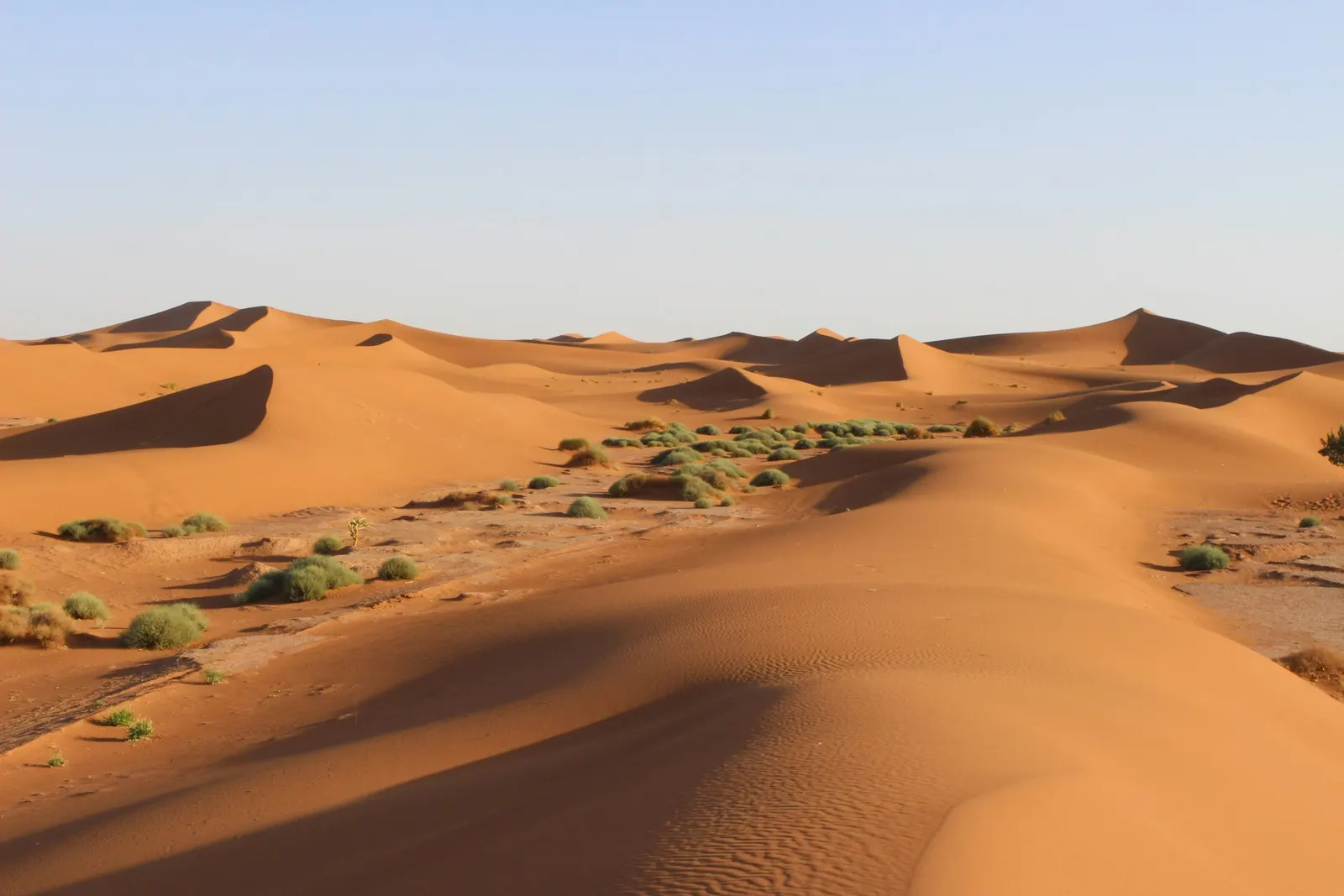
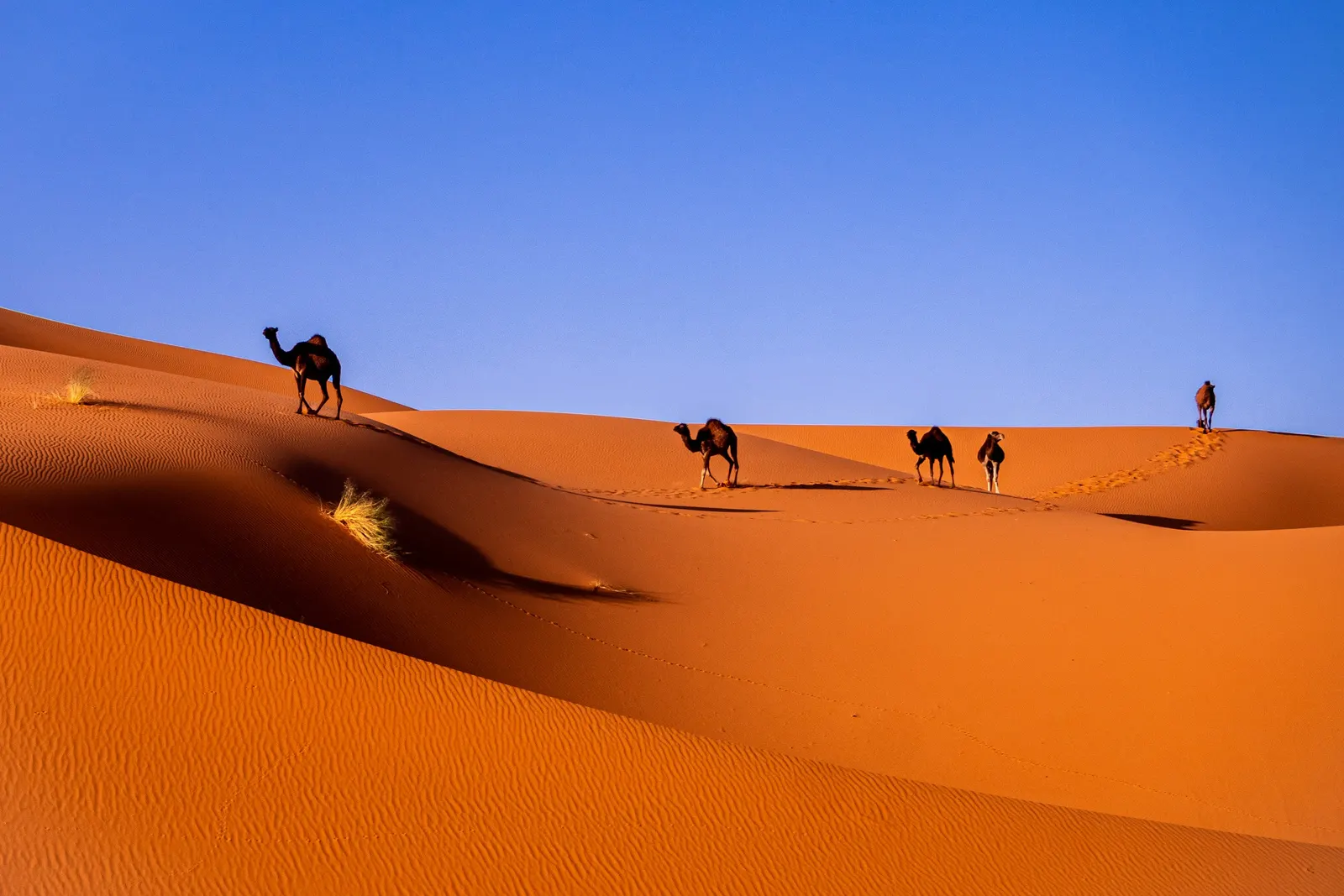
- Merzouga and Erg Chebbi: tall sand dunes on the edge of the Sahara, a long drive from Marrakech over the High Atlas. Most trips include a camel ride at sunset and a night in a camp among the dunes. Sand is fine and gets everywhere.
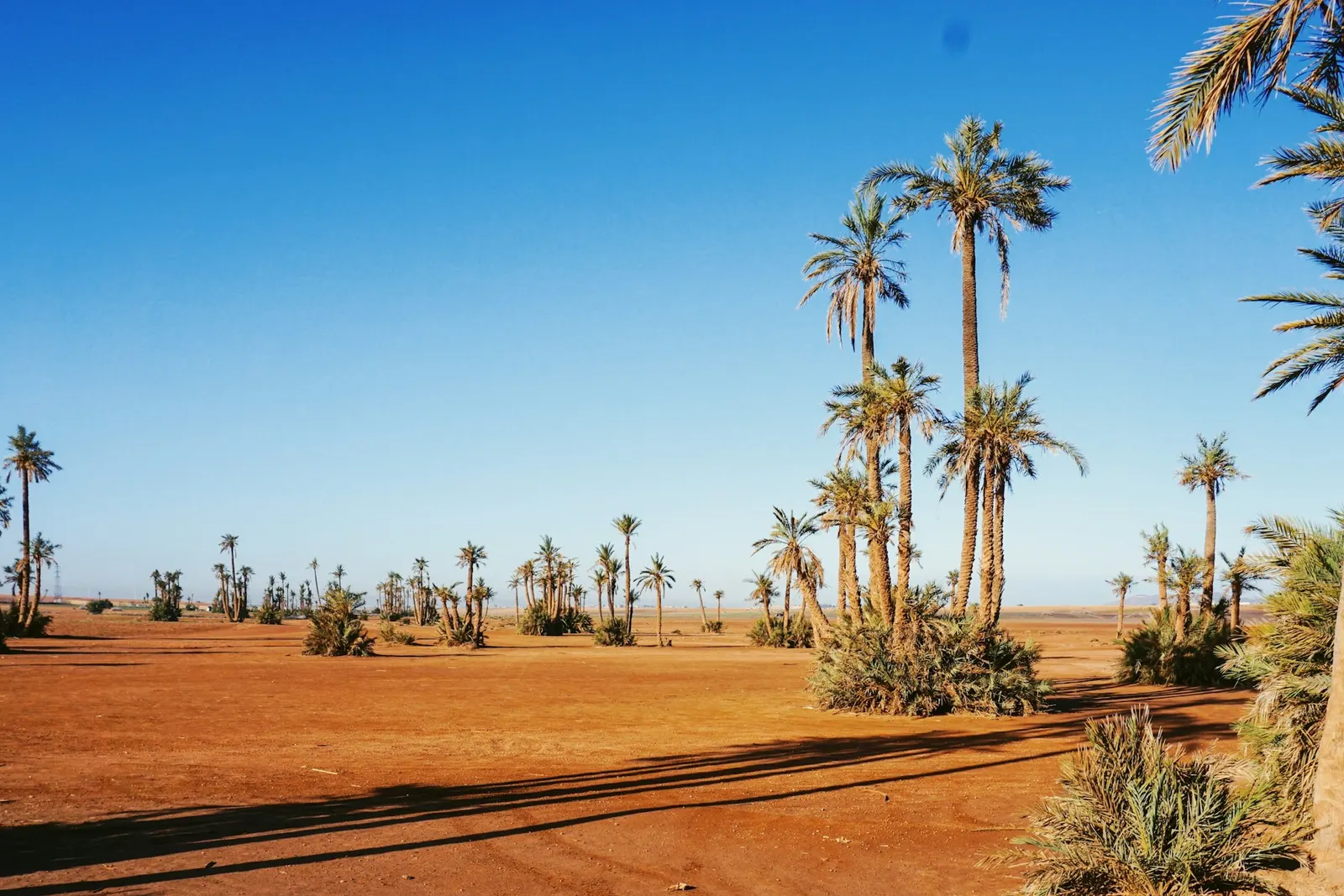
- Zagora and the Draa valley: a long ribbon of palm groves and oases, with a camel ride near Zagora. The landscape is more open and stony than Erg Chebbi.
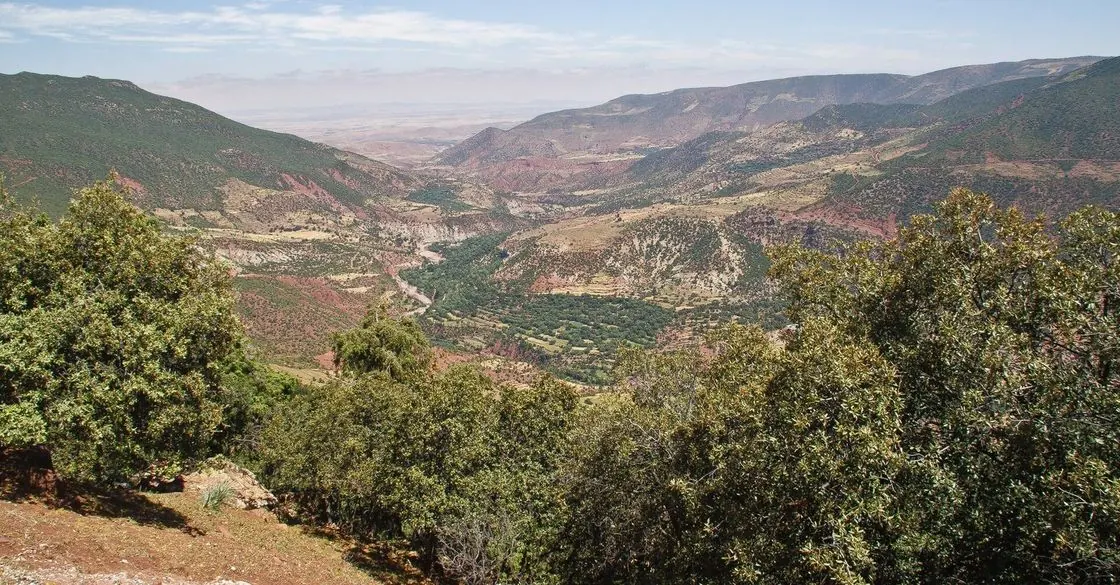
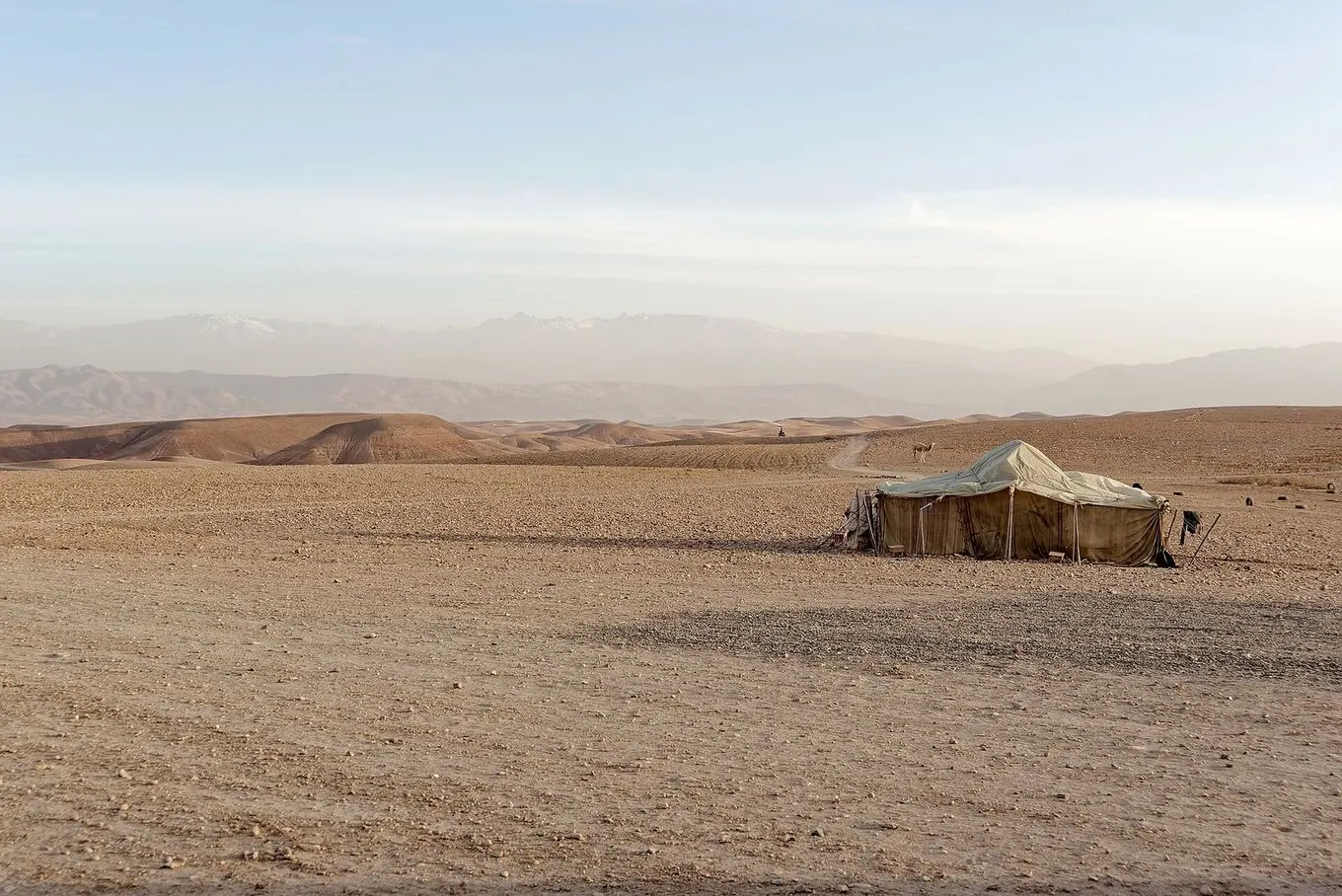
- Agafay: a stony desert of hills and plateaus, about 30 km from Marrakech, with views of the Atlas. There are no big dunes, but it is close enough for an evening or a single night.
All three share one thing: big temperature swings between day and night. In winter, nights in the Merzouga area can drop close to freezing, while in July and August daytime temperatures often climb above 40°C. Spring and autumn are milder, but evenings still cool down quickly once the sun has set.
Clothing: think in layers
The single most useful rule is to pack layers rather than one heavy item.
- Light, loose, long clothing for the day: long trousers or a long skirt and breathable long-sleeved tops protect you from the sun better than shorts and vest tops, and they are more comfortable on a camel saddle.
- A warm layer for the evening: a fleece or light down jacket, even in spring and autumn. From November to March, bring a proper warm jacket, a hat and a pair of gloves for the night and the early morning.
- Something to sleep in: camps provide bedding, but a long-sleeved top and warm socks make a cold night much more pleasant.
- A scarf or cheich: the long Saharan headscarf protects your face from sun and wind-blown sand. You can buy one in Marrakech or along the way, and some excursions provide one.
Covering shoulders and knees is respectful in rural Morocco, and it is also the most practical choice in the sun.
Shoes for sand and stones
Sand dunes are soft and get very hot in the middle of the day, while Agafay is rough and stony. The best combination is:
- Closed trainers or light walking shoes for the drive, the stops and Agafay.
- Sandals or flip-flops for the camp and for walking barefoot on cool sand in the evening.
- Socks, because sand in bare shoes rubs quickly.
Pack a small overnight bag
Plan to take only what you need for the night to the camp: a camel saddle is not the place for a suitcase, and tents have little space. When we confirm your booking, we can tell you how luggage is handled on your trip. A soft backpack or duffel of around 20–30 litres is ideal. Put in it:
- Your warm layer, sleepwear and a change of underwear.
- A toothbrush, toothpaste and a small travel towel.
- Medicines you take every day.
- Phone, a power bank and a charging cable: electricity in desert camps can be limited.
- A head torch or small torch: camps are dimly lit at night, and paths between tents are sandy.
- Wet wipes and a little toilet paper.
Keep your passport and money on you rather than in the big bag.
Sun, sand and health
The desert sun is strong all year round.
- Sunscreen with a high protection factor, and lip balm with SPF.
- Sunglasses with good UV protection; wraparound styles keep out sand.
- A hat with a brim, or the scarf mentioned above.
- A refillable water bottle: drink regularly, even when it does not feel hot.
- A small first-aid kit: plasters, blister care, painkillers and something for an upset stomach.
Protect your phone and camera
Fine sand finds its way into zips, lenses and charging ports. A few simple precautions help:
- A zip-lock bag or a small dry bag for your phone and power bank.
- A cloth or lens blower for the camera.
- Avoid changing lenses outside when the wind is blowing.
One important rule: do not bring a drone. Morocco prohibits the import and use of drones without prior authorisation, and drones found at the airport are commonly confiscated by customs.
Money and small extras
Most desert trips include some meals but not all. On the Merzouga and Zagora trips, lunches are not included, so carry dirhams in cash for lunch stops, drinks, small purchases and tips. Cash machines are rare once you leave the bigger towns.
Book your desert night
If you have two or three days, the Merzouga and Zagora trips cross the High Atlas by the Tizi n'Tichka pass (2,260 m) and stop at Aït Ben Haddou on the way. With less time, an overnight camp in Agafay gives you a taste of the desert without the long drive. You can read more about the Agafay options in our comparison of quad, buggy and camel rides around Marrakech, and fit them into three days in Marrakech.
Request your booking — we confirm availability by email/WhatsApp. Nothing is paid on the site yet.
If you are flying into Marrakech, our guide to getting from Marrakech airport to the medina covers the first hour of your stay.
FAQ
How cold does the Moroccan desert get at night?
It depends on the season. In winter, nights around Merzouga can fall close to freezing, and even in spring and autumn evenings feel cool after a hot day. Bring a warm jacket from November to March and at least a fleece the rest of the year.
Can I bring a big suitcase to the desert camp?
Large suitcases are impractical on a camel and in a tent. Pack a small soft bag with what you need for one night; we can tell you how the rest of your luggage is handled when we confirm your booking.
What shoes should I wear in the desert?
Closed trainers or light walking shoes for the drive and stony ground, plus sandals for the camp. Many people walk barefoot on the dunes in the evening, when the sand is cool.
Can I fly a drone over the dunes?
No, not without prior authorisation. Morocco prohibits the import and use of drones without it, and customs commonly confiscate drones on arrival. Leave yours at home.
Do I need cash on a desert trip?
Yes. Lunches, drinks and tips are usually not included, and cash machines are rare outside the larger towns, so carry enough dirhams for the whole trip.